
EDCTP2 demonstrates impact on health, policy and research capacity
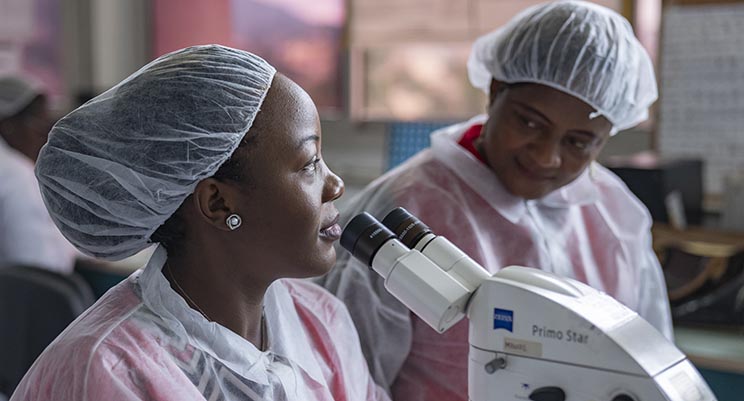
The EDCTP Association has published its Annual Report 2025, presenting a decade of progress in EDCTP2 advancing medical interventions, strengthening research capacity and building equitable partnerships across sub-Saharan Africa.
Launched in 2014, the EDCTP2 programme has supported 154 clinical trials, helped advance seven interventions to licensing or recommendation, and contributed to progress in malaria, HIV, tuberculosis, schistosomiasis and neglected infectious diseases. Several interventions are now in routine use, improving access to effective prevention, diagnosis and treatment.
Among these interventions are the R21/Matrix-M malaria vaccine, arpraziquantel for young children with schistosomiasis, Coartem Baby for infants with malaria, and fexinidazole for human African trypanosomiasis. Other projects have generated late-stage evidence on malaria prevention in pregnancy, pneumonia in infants, bone health in adolescents living with HIV, and improved approaches to TB diagnosis and treatment.
Building sustainable research capacity
The report also highlights EDCTP2’s contribution to long-term system strengthening. The programme has supported 362 fellowship recipients, more than 700 master’s and PhD students, and 46 projects on ethics and regulatory review in 37 countries. Investments in laboratories, clinical sites, oversight systems and training have helped strengthen Africa’s scientific workforce and research ecosystems.
Linking funding to policy impact
Participating States Initiated Activities (PSIAs) have amplified that impact by aligning national and regional funding with the EDCTP2 strategic research agenda. By the end of 2025, 354 PSIAs had been incorporated into EDCTP2 work plans, contributing to 9 new or improved medical interventions, 47 changed guidelines or policies, and 12 progressions in clinical evaluation.
Looking beyond EDCTP2
The report also points to a growing institutional legacy beyond EDCTP2. The EDCTP Association continues to represent the interests of its European and African member states and is taking on new roles as a platform for international partnerships to advance equitable and sustainable global health research. The EDCTP Africa Office is pivotal to these new partnerships, whilst continuing to deliver on its mandate to strengthen the presence and visibility of the Global Health EDCTP3 in Africa.
As the EDCTP2 programme closes in 2026, the report concludes that EDCTP2 has exceeded its original targets and helped build a stronger, more self-sustaining research base in sub-Saharan Africa. The partnership model behind EDCTP2 is expected to remain central to future global health progress.