
From research to elimination: EDCTP2’s impact in the fight against NTDs
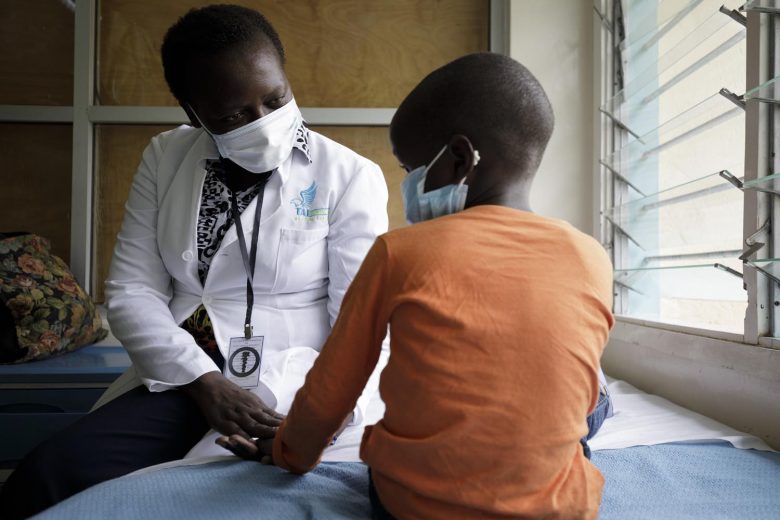
Neglected tropical diseases (NTDs) are among the world’s most common and debilitating conditions. They affect millions of people—especially the poorest and most vulnerable—and hinder the growth and development of countless children in sub-Saharan Africa.
Under the EDCTP2 programme, the EDCTP Association has worked with global partners to help end NTDs. These collaborations have translated into concrete advances in the control and elimination of these diseases.
Unite: partnering to defeat NTDs
The EDCTP Association has worked with public and private strategic partners, product development partnerships, and other funders to increase support for clinical research on NTDs in sub-Saharan Africa.
The Association partnered with the Leprosy Research Initiative (LRI) to expand leprosy research, and with the Mundo Sano Foundation on clinical and implementation research in neglected diseases and soil-transmitted helminthiases. In collaboration with the Global Health Innovative Technology (GHIT) Fund, EDCTP2 supported the Pediatric Praziquantel Consortium in developing arpraziquantel, a new pediatric formulation to treat schistosomiasis in preschool-aged children, and in preparing for its large-scale introduction in Côte d’Ivoire, Kenya and Uganda.
Act: investing in better tools and evidence
Since 2014, EDCTP2 has invested €80 million in NTD research. With support from the Association and its partners, this funding has led to new and improved treatments for leishmaniasis, river blindness, soil-transmitted helminth infections, sleeping sickness and schistosomiasis.
The EDCTP programmes have also placed a strong emphasis on strengthening local research capacity, nurturing a new generation of African research leaders who are driving progress in the fight against NTDs.
Eliminate: sustaining progress towards a world free of NTDs
EDCTP-supported studies are directly contributing to the elimination of NTDs in Africa.
In 2021, WHO verified the elimination of sleeping sickness in Côte d’Ivoire, with critical contributions from the EDCTP2-funded DiTECT-HAT project.
In 2025, Guinea received WHO certification confirming the elimination of sleeping sickness as a public health problem. EDCTP-funded projects (FEX-g-HAT, ACOZIKIDS and STROGHAT) were instrumental in this achievement. This marks the first disease ever eliminated in Guinea and a significant milestone in the global effort to eradicate sleeping sickness.
The work is not yet done. The impact of several EDCTP2-supported studies is still being documented, and more projects are expected to deliver results that will further reduce the burden of NTDs across sub-Saharan Africa.
Looking ahead, Global Health EDCTP3, with support from the members of the EDCTP Association, will continue to invest in innovative tools, implementation strategies and research capacity in sub-Saharan Africa, while uniting with partners to secure sustainable investments.
EDCTP2’s journey from research to elimination shows what is possible when science, partnership and political will come together. Every study, every partnership and every trained researcher brings the world closer to a future where no one’s health or potential is limited by a neglected tropical disease.