
PEP4LEP & PEP4LEP 2.0: A 7.5 year journey in leprosy prevention
The PEP4LEP and PEP4LEP 2.0 projects set out to determine the most effective and feasible way to screen people at risk of developing leprosy and to provide chemoprophylaxis in Ethiopia, Mozambique and Tanzania. On 11 March 2026, more than 50 participants from 10 countries met in Addis Ababa, Ethiopia, and online to celebrate the conclusion and results of these projects. The event brought together representatives from the Ministries of Health of Ethiopia, Mozambique and Tanzania, the World Health Organization (WHO), researchers and, importantly, persons with lived experience of leprosy.
Over 7.5 years, the projects delivered:
- Over 33,500 contacts of persons affected by leprosy screened for skin diseases, including leprosy• More than 18,700 people who received care for skin diseases
- Over 2,600 patients with skin NTDs identified
- 670 new leprosy diagnoses
- 570 health workers trained
- Around 90% of contacts eligible to receive single-dose rifampicin post-exposure prophylaxis (SDR-PEP) for leprosy prevention
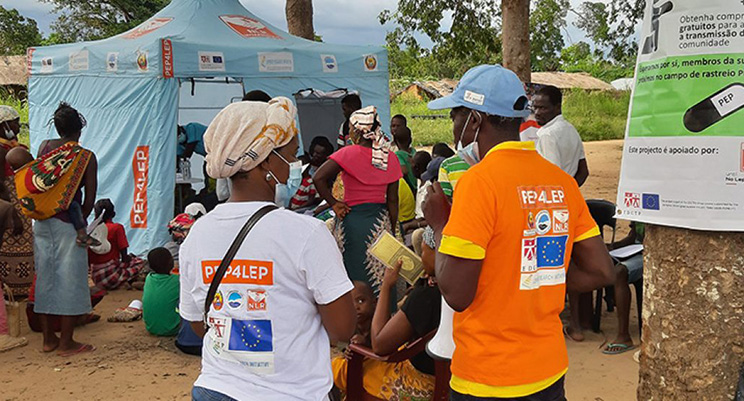
Skin camps combined with leprosy prevention emerged as a successful strategy. They extended specialised care to underserved communities, led to high numbers of detected skin conditions and enjoyed strong acceptance from both communities and health workers. A highlight of the closing event was the active role of research assistants and (former) PhD candidates, who presented their own work—clear evidence of sustained capacity strengthening. Despite COVID-19, episodes of civil unrest and other major challenges, project teams remained resilient and continued their work.
The achievements of PEP4LEP and PEP4LEP 2.0, supported by EDCTP2 and Global Health EDCTP3, respectively, have demonstrated that integrated skin camps and preventive treatment can bring care closer to communities and help reduce the burden of leprosy and other skin NTDs.