
Revive-IPTp Contributes to National Policy and Practice for Malaria Prevention in Pregnancy in Kenya
Malaria in pregnancy remains a major public health challenge in Kenya, contributing to severe maternal anaemia, low birthweight, and stillbirths. The Revive-IPTp project aimed to improve the delivery of intermittent preventive treatment in pregnancy (IPTp) with sulfadoxine-pyrimethamine (SP) in two high-burden counties—Kisumu and Migori. Led by Population Council Kenya, in partnership with County Health teams and the National Malaria Control Programme (NMCP), the project generated evidence and practical solutions with potential for national scale-up.
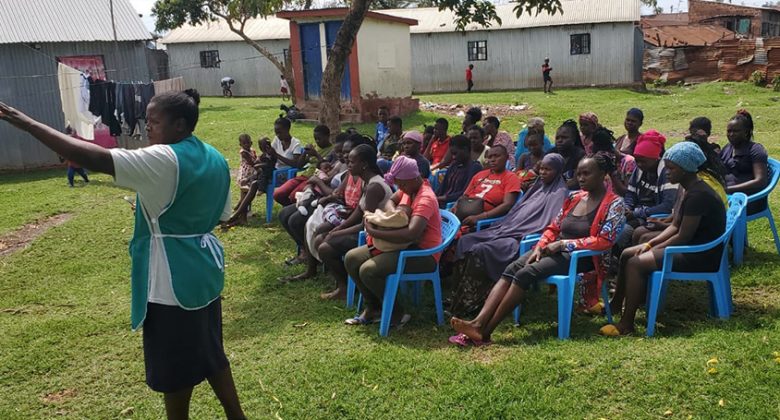
Over the course of implementation, Revive-IPTp progressed from policy clarification and stakeholder consensus building to health-system strengthening, community-based service delivery, and rigorous evaluation. The team trained facility-based health workers, mentored more than 500 Community Health Promoters, supported routine supervision, and institutionalised facility–community review meetings. Community engagement was central to the approach: outreach clinics, public dialogues, radio programmes, and SMS reminders in local languages brought services closer to pregnant women and strengthened demand for antenatal care (ANC).
Despite major disruptions—including COVID-19, health-worker shortages, medicine stock-outs, and climate-related shocks—the project achieved measurable improvements. In Kisumu County, uptake of at least three IPTp doses increased substantially, correct dosing practices improved in both counties, ANC attendance rose, and reported malaria during pregnancy declined. Community-based delivery approaches proved highly acceptable, with willingness to use them increasing markedly across participating communities.
Revive-IPTp also made important contributions to national policy processes. Project evidence informed national strategies and guidelines, supported a Ministry of Health policy circular reaffirming WHO recommendations, and contributed to Kenya’s Malaria Strategy 2023–2028. County leaders have committed to sustaining key interventions, while dissemination activities, including publications and a video presenting the endline findings, have helped ensure wide uptake of lessons learned.
Overall, the project showed that empowering frontline health workers, engaging communities, and delivering services closer to where women live can significantly improve malaria prevention during pregnancy. The evidence generated provides a strong foundation for national scale-up in Kenya and offers a model that could benefit other malaria-endemic countries in sub-Saharan Africa.